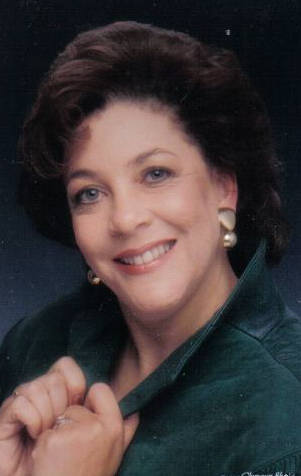
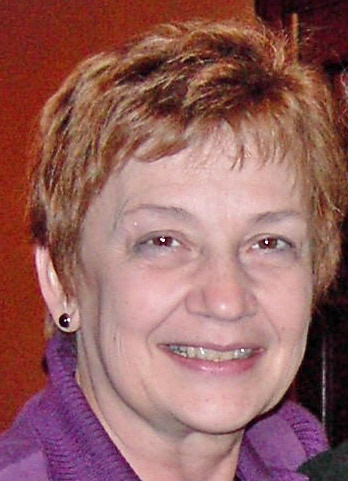
As those who have grown up ourselves, raised our children, and lived our professional and personal lives among many different cross-cultural worlds both in the US and internationally, Paulette has explained why we believe this discussion is so vital to describing and finding language for the "new normals" a cross-cultural lifestyle creates for so many in today's globalizing world.
For example, I have discovered while traveling the globe to speak on issues related to Third Culture Kids (TCKs) that many in my audience will come up and say "I relate completely to the profile you describe for TCKs, but I never grew up the way my [child, student, employee] is (or did). Am I allowed to apply some of these things to my own life?"
On further exploring the stories of those who feel so connected to the issues of those who have clearly grown up among many cultures with high mobility taking them back and forth between these different cultural worlds, we began to see larger patterns emerge. Some of those sharing their stories had grown up in the former Eastern bloc countries. When the "Iron Curtain" fell, the cultural worlds in which they lived changed dramatically. No longer were they living in the traditional cultural patterns their parents had known. They hadn't physically moved to a new culture, but a new world had come to them. For international adoptees, for those raised in bi-cultural homes, many of the same issues of "Which of my many cultural selves am I?" that TCKs have often faced were theirs as well.
As we wanted to enlarge our discussions to include this growing group of those who have grown up and/or lived among this multiplicy of cultural worlds for all sorts of reasons, we started with one simple, obvious place.
Years ago, the late Dave Pollock (my co-author Third Culture Kids: The Experience of Growing Up Among Worlds) and Norma McCaig (originator of the term, Global Nomads) first used the term "Hidden Immigrant" to describe the repatriation experience of TCKs. In other words, if someone came from another country who was clearly an immigrant because he or she didn't speak the language, share the same ethnicity, or whatever, those around would give that person space to be different. Others would help these clearly defined immigrants to learn the cultural ways of this country.
When, however, TCKs who had been raised outside their passport country returned "home," they usually physically resembled those in the dominant culture around them. They spoke the language well. People assumed they were "the same" and no awareness or room was given for the fact that they did not share a common cultural upbringing.
Paulette and I began to see this same phenomenon was happening to so many she has described in her excellent introduction. For whatever reasons, the old ways of applying labels of "diversity" no longer worked because their experiences were not the traditional ones assumed for members of that "group." We expanded the term used for TCKs to "Hidden Diversity" to try and include this growing number of people whose life experience often did not match what others assumed was theirs.
The responses across the globe have been remarkable in these past few years since we began to use this language. So many have had their "aha" moment when they see that, indeed, they have been trying to fit a preassigned box but, in fact, that it is not their personal, experiential world.
The most exciting thing, to me, is that in doing this, we also begin to see some of the same benefits identified for traditional TCKs are an unnoticed gift for many others with cross-cultural upbringings. Children of minorities have often had to negotiate between markedly different cultural worlds each day as they go to and from school and home. Have we begun to tap this rich resource for our culturally changing world?
And so it goes. We invite each of you to join this discussion and see how we can continue to grow our discussions of diversity to include the many new looks it has in today's world and affirm hidden gifts even in the traditional ways we have recognized diversity so that all of us can grow and enjoy the riches of such a lifestyle.
Ruth Van Reken
Showing posts with label Background. Show all posts
Showing posts with label Background. Show all posts
Friday, January 4, 2008

Friday, September 7, 2007
Why This Blog on Hidden Diversity
Welcome to our blog. It is our vision to engage in a different kind of cultural diversity discussion regarding the gifts and challenges of people who grew up in many types of cross-cultural backgrounds (e.g. traditional Third Culture Kids (TCKS, immigrants, bi-racial/bi-cultural, etc.), as well as the experiences of employees of international corporations, missionary communities, the miliary and and other expatriates to see what is shared among virtually all groups and what is distinct to each type of experience. We envision this as a way to expedite the discussion for all groups while also affirming the distinctiveness of each.
Why this Blog
In 2003, we interviewed parents from a variety of countries and cultures whose children were then attending school in the U.S. Each of their children had also gone to school in countries outside the U.S., some to local schools, some to more specifically international type of schools. In our conversations with this diverse group of parents around issues connected to their children's educational experiences due to their internationally mobile lifestyle, a distinctive pattern began to emerge. Often, assumptions and expectations were ascribed to these students were based upon external identity markers and expectations that may or may not have been accurate. ... often resulting in missed opportunities for their teachers and peers to benefit from their “more hidden” gifts that have evolved through this lifestyle.
What came from this research gave birth to what we now call "hidden diversity." Hence, the focus of this blog will be to:
1. Engage in discussion about the increasing number of people who have grown (or are growing) up cross-culturally for many different reasons recognize that they have a core skills set that has been formed from their very lives
2. Help others recognize that there are a cadre of people existing in virtually every workplace, school, or neighborhood environment with these core skills sets but that often these skills are not being recognized or used because those who possess them do not fall into the usual expectations or markers for recognized “diversities.”
3. Provide information that is relevant for people who teach, work, and live with those from cross-cultural backgrounds recognize some of these common gifts and challenges a cross-cultural childhood may bring so they can also help their students, workmates, and family members more intentionally and fully develop their strengths.
Paulette and Ruth
Subscribe to:
Posts (Atom)